



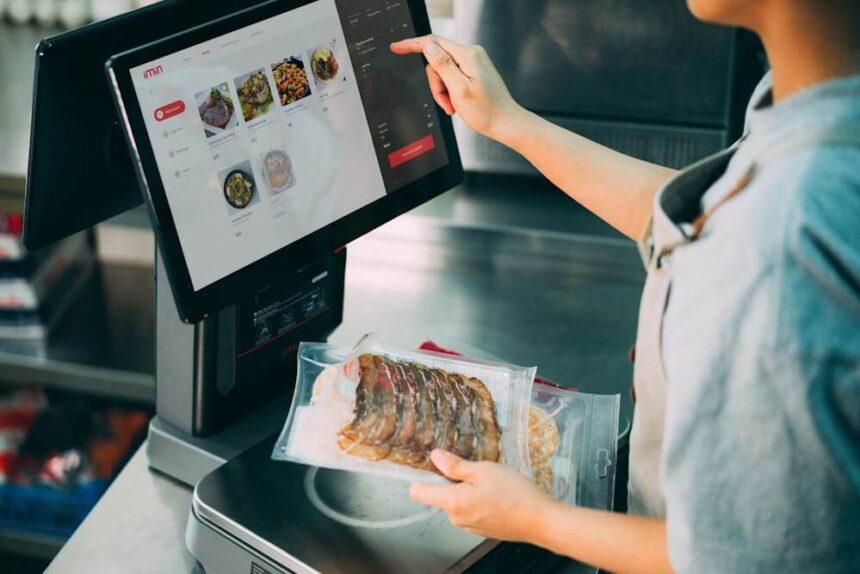
Fine-dining teams aim to deliver service that feels personal and precise. However, understanding each guest’s preferences can be challenging without the right tools. Modern POS data gives teams access to insights once hidden within transactions, helping them turn every visit into a tailored experience. It shows how data can reveal what guests truly value, allowing restaurants to refine service, menus, and rewards with confidence.
This article explores how POS data can help fine-dining restaurants better understand their guests. It outlines practical ways to use order history, visit frequency, and spending patterns to strengthen loyalty and raise satisfaction. Each section highlights how data-driven insights guide smarter decisions that keep every table experience thoughtful and memorable.
Creating detailed guest profiles based on ordering history and preferences
A fine dining point of sale system helps staff collect accurate records of what each guest orders, how often they visit, and which dishes they prefer. This information supports consistent service because every server has access to the same guest insights. Staff can greet returning diners with menu suggestions that match past preferences, building a stronger relationship with them.
Detailed guest profiles store more than order data. They can include notes on favorite wine pairings, portion sizes, or special dietary needs. As the database expands, it reveals patterns that managers can use to plan menu updates or special promotions that appeal to frequent guests.
These profiles also help the kitchen and service teams adjust pacing across courses for each table. For example, guests who prefer longer waits between dishes can receive a slower service flow. Accurate use of guest data promotes smoother operations and a more attentive dining experience.
Analyzing visit frequency to tailor personalized loyalty rewards
POS data reveals how often guests return and what patterns appear in their visits. This insight helps fine-dining teams group guests by activity level, such as infrequent visitors or regular patrons. Each group can then receive targeted offers that feel more thoughtful and meaningful.
A guest who visits once a month may value an invitation to a seasonal tasting menu. Someone who comes in every week might prefer a reward that saves time, such as a pre-set reservation or complimentary appetizer. These small distinctions turn data into personalized touches that guests notice.
Staff can also compare visit trends over time to spot changes in habits. For example, fewer visits might signal a need for re-engagement through a special promotion. Consistent analysis allows teams to maintain loyalty rewards that remain useful and appealing, rather than generic or outdated.
Tracking individual dietary restrictions to customize menu recommendations
POS data helps fine-dining teams understand each guest’s dietary needs with precision. Each order entered into the system reveals patterns that show which items a guest avoids or prefers. This insight allows staff to adapt recommendations that fit specific restrictions without guessing.
Servers and chefs can access these details in real time, so any menu suggestion matches the guest’s preferences. For example, the system may flag dairy-free habits or gluten sensitivities based on past orders. As a result, guests receive options that suit them without discussing restrictions at every visit.
The data also helps managers decide which dishes should stay on the menu. If multiple guests skip a certain ingredient, the kitchen can adjust recipes or substitute items. Therefore, personalized recommendations improve guest comfort and help create meals that respect individual needs while maintaining menu variety.
Using spending patterns to identify high-value guests for VIP offers
POS data helps fine-dining teams see how much a guest spends during each visit and what types of items they choose. This information reveals habits that separate high-value guests from occasional diners. For instance, frequent purchases of premium wines or tasting menus can signal a strong interest in quality and exclusivity.
By comparing average ticket sizes, managers can group guests based on spending levels and visit frequency. This approach creates a clear picture of who contributes most to revenue. It also helps identify regulars who may respond well to personalized invitations or rewards.
Once teams recognize these high-value guests, they can design VIP offers that match their preferences. Special menus, invitation-only events, or private table access can make loyal guests feel valued. As a result, the restaurant deepens relationships and encourages repeat visits from its most profitable customers.
Monitoring peak dining times to optimize staff allocation
POS data helps fine-dining teams identify the exact hours that draw the most guests. By tracking order volume, table turnover, and average wait times, managers can see clear peaks in activity. This insight helps them plan ahead and avoid both understaffing and excessive labor costs.
Managers can review patterns from different days and seasons to predict busy periods more accurately. For example, data may reveal that Fridays and holidays show higher demand, while early weekdays remain slower. Adjusting schedules based on this information balances service quality and efficiency.
Accurate staffing levels lead to faster table service and less stress across the team. Guests notice smoother operations and consistent attention, which supports a positive impression of the restaurant. In addition, the kitchen benefits from steady workflows, reducing mistakes and waste.
Regular analysis of peak periods allows management to fine-tune shifts over time. As a result, staffing decisions stay aligned with guest behavior and evolving dining trends.
Conclusion
POS data gives fine-dining teams a clear view of what guests value most. It helps staff see patterns in menu choices, table preferences, and visit frequency. By using this insight, teams can provide service that feels personal and thoughtful.
Restaurants can also use data trends to adjust menus or pricing in a way that reflects guest expectations. As a result, service improves, and guests feel more connected to the experience.
With better knowledge of their guests, teams can respond quickly and make informed decisions. This approach supports stronger guest relationships and builds lasting loyalty.
