



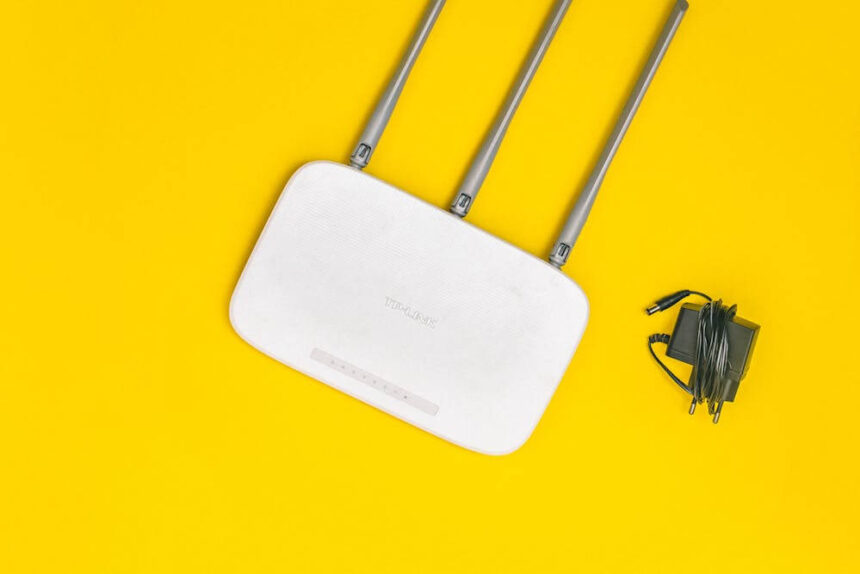
Finding reliable home WiFi in Latin America can feel challenging, but knowing where to look makes all the difference. Across the region, large providers like Liberty Latin America, Telefónica, and Claro deliver broadband and fiber options in urban areas, while satellite and wireless plans extend access to rural communities. You can find dependable home internet by comparing local coverage, customer support, and plan stability rather than relying on advertised speeds alone.
In major cities like Buenos Aires, São Paulo, and Santiago, high-speed fiber networks offer faster and more consistent performance. Smaller towns and rural zones often depend on wireless or satellite solutions, which continue to improve as infrastructure expands. By evaluating plan availability and real-world performance data, you can choose a service that supports streaming, remote work, and daily online needs without interruption.
Key Takeaways
- Reliable WiFi access varies widely across Latin America’s regions.
- Comparing fiber, broadband, satellite, and wireless options helps you find the best fit.
- Location and service consistency matter more than advertised speed alone.
How to Find Reliable Home WiFi Plans in Latin America
Access to dependable home WiFi depends on knowing your provider options, understanding the limits of each plan, and choosing the right type of service for your location and usage. By comparing features, coverage, and data flexibility, you can match a plan to your needs without overpaying.
Researching Internet Providers and Coverage
Start by checking which internet providers operate in your neighborhood, since coverage varies greatly across Latin America. Urban areas in countries such as Mexico, Brazil, and Chile often have multiple broadband options, while rural towns may rely on wireless or satellite connections.
Most providers maintain coverage maps on their websites that show service availability by postal code. You can also ask local residents or community centers which networks perform best in daily use. Some regional companies like Digicel internet in Latin America serve multiple countries, offering bundled mobile and home services.
When evaluating providers, compare these details:
| Feature | Why It Matters |
| Coverage Area | Determines if you can actually access high-speed service |
| Network Type | Affects stability and speed |
| Customer Support | Impacts problem resolution time |
Reliable customer support is essential. Even the fastest plan becomes frustrating if maintenance response takes days.
Understanding Data Limits and Unlimited Data Plans
Many internet in Latin America packages include data limits that cap your usage per month. Exceeding these limits can reduce your speed or result in extra fees. Understanding the fair-use policy helps you avoid disruptions.
Check whether your plan is truly unlimited or if it has a throttling threshold. Providers often advertise unlimited data but slow speeds after reaching a certain usage level. Pay close attention to speeds listed for both normal and post-cap conditions.
If multiple individuals in your household stream content or work remotely, prioritize plans with high or unrestricted data allowances. Also note whether your service includes extras like a home phone line or entertainment bundle, which can increase overall value if you already use those services.
Comparing Fixed Broadband, Mobile, and Satellite Options
Your location and infrastructure determine which connection type suits you best. Fixed broadband—such as fiber or DSL—offers the lowest latency and best consistency when available. Mobile wireless networks are more flexible, often ideal for renters or short-term residents.
In remote or mountainous regions, satellite providers like HughesNet and Viasat provide essential connectivity where other networks fail. However, satellite plans tend to have higher latency and stricter data caps, so they fit light to moderate usage rather than high-performance gaming or streaming.
Evaluate plans side by side:
- Fixed Broadband: Higher speeds, lower latency, stable pricing.
- Mobile Wireless: Portable, requires good signal coverage.
- Satellite: Wider reach, but limited speed and higher costs.
Choosing among these depends primarily on infrastructure access and your tolerance for speed variations.
Choosing the Right Connectivity Solution for Your Needs
Reliable internet access depends on how you connect and manage your data. Whether you need affordable mobile service, flexible data sharing, or a way to monitor usage in real time, understanding available connectivity tools helps you stay online with minimal issues.
SIM Cards, eSIMs, and Prepaid Data Packages
If you travel or live across different countries in Latin America, switching between SIM cards, eSIMs, or prepaid data plans can meet specific needs for mobility and coverage. A physical prepaid SIM card offers simplicity—you buy it locally, insert it into your phone, and activate a data package that fits your budget. These plans often include bundles for calls, texts, and local data.
An eSIM or virtual SIM card gives you more flexibility. Providers like Airalo, Holafly, Ubigi, and Maya Mobile offer regional eSIMs for Latin America that you install digitally through a QR code. This option removes the need to swap physical cards and supports instant activation, useful when crossing borders.
Comparison table:
| Option | Activation | Ideal Use | Example Providers |
| SIM Card | Physical | Long stays in one country | Local carriers |
| eSIM / Travel eSIM | Digital | Multi-country travel | Airalo, Holafly, Ubigi, Maya Mobile |
| Prepaid Data Plan | Physical or eSIM | Short-term data access | Local or regional providers |
Choosing between them depends on whether you prioritize convenience, cost control, or coverage.
Using Pocket WiFi and Sharing Across Multiple Devices
Pocket WiFi devices allow you to connect several gadgets—phones, tablets, or laptops—at once. They act as portable routers that use a mobile data network. This can be efficient if you travel with a family or team, since one device shares data among multiple users.
You can rent or purchase these through travel service providers or specialized companies that deliver units to your destination. Battery life usually lasts between 6–12 hours, depending on model and data load. A major advantage is not needing to handle multiple SIMs or configure numerous plans.
Some Pocket WiFi plans use regional coverage similar to travel eSIMs, providing consistent connectivity across neighboring countries. For example, coverage may include Mexico, Colombia, Chile, and Peru under a single data plan. If you require stable WiFi for work or video calls, this setup offers predictable performance, though it may cost more than single-user data packages.
Mobile Apps for Managing Connectivity
Mobile apps make it easier to monitor and control your data usage, especially when using prepaid or eSIM-based services. Providers like Maya Mobile, Holafly, and Ubigi include companion apps where you can view remaining data, top up balances, or switch between plans. These tools help you prevent overuse and manage expenses efficiently.
Communication apps such as WhatsApp and Signal improve usability by handling messaging and calls through data connections rather than traditional networks. This lets you stay in touch even if you switch SIMs or rely on a temporary eSIM for Latin America.
Some management apps also display connection quality and nearby network details. When traveling through regions with variable coverage, checking real-time data strength helps you choose the best signal source or hotspot. By combining provider and communication apps, you maintain steady access for work, travel updates, and personal use without interruptions.
Conclusion
You can find reliable home WiFi plans in Latin America by comparing local, regional, and multinational providers that invest in fiber, 5G, and satellite networks. Countries with stronger urban infrastructure offer more stable service, but rural areas often depend on newer connectivity efforts and government programs to close access gaps.
Prices, speeds, and service quality differ widely by country. When you evaluate providers, focus on factors like monthly cost, download speed, and customer support.
| Key Factor | Why It Matters |
| Speed | Determines how well you can stream, work, or study online |
| Coverage | Affects connectivity consistency across regions |
| Cost | Indicates affordability and long-term value |
You can make an informed choice by checking coverage maps, reading verified reviews, and comparing plan features. Reliable WiFi often depends on balancing performance, price, and geographic availability in your location.
