



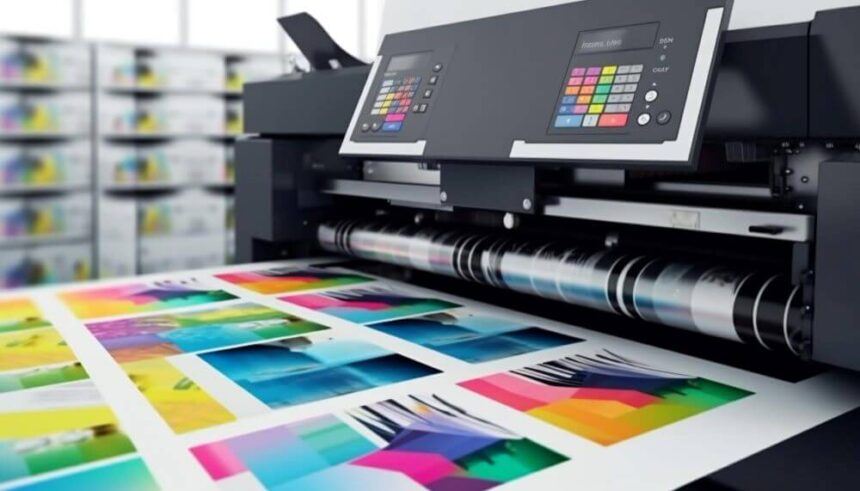
When it comes to custom apparel printing, two methods are quickly gaining popularity: Direct-to-Film (DTF) printing and Direct-to-Garment (DTG) printing. Both offer unique benefits and are ideal for different types of designs, materials, and business needs. However, choosing between these two methods can be a challenge, especially if you’re new to the industry. This article will help you understand the key differences between DTF and DTG printing so you can decide which method is best for your custom designs.
What is Direct-to-Film (DTF) Printing?
DTF printing is a newer method that involves printing designs onto a special film, which is then transferred onto the fabric using heat. The process begins with a printer that uses specially formulated inks to print the design onto the film. The printed film is then coated with an adhesive powder, which is melted onto the design during the heat transfer process. This creates vibrant, durable prints that can be applied to various types of fabric.
One of the major benefits of DTF printing is its versatility. It works on a wide range of fabrics, including cotton, polyester, and blends. This makes it a great option for businesses that want to offer custom prints on various materials. For example, using an Epson Surecolor G6070 DTF printer, you can achieve high-quality prints that work well on light and dark fabrics alike, providing a solution for multiple product types.
What is Direct-to-Garment (DTG) Printing?
DTG printing, on the other hand, uses a specialized inkjet printer to apply designs directly onto fabric. The ink is absorbed by the fibers of the fabric, creating a soft, detailed print. Unlike DTF, there is no film or transfer process involved. DTG is especially popular for printing highly detailed images, such as photos or complex designs, because it allows for full-color printing with precise detail.
DTG printing is most commonly used on cotton garments, although it can also work on cotton blends. It’s ideal for smaller orders or one-off prints because there are minimal setup costs. The print quality is excellent, especially for fine details, and the ink is absorbed directly into the fabric, leaving a soft finish.
Key Differences Between DTF and DTG Printing
1. Print Quality
Both DTF and DTG printing can produce vibrant, high-quality designs, but the quality may differ depending on the type of artwork. DTF printing offers bold and rich colors, particularly on a variety of fabrics. The prints are durable and vibrant, making them perfect for t-shirts, hoodies, and other custom apparel. However, DTF prints can sometimes feel a bit stiffer compared to DTG, depending on the type of fabric used.
DTG, on the other hand, excels in printing detailed, photo-realistic designs. Since the ink is absorbed into the fabric, the print is softer and more flexible. This makes DTG ideal for intricate designs or images with gradients. However, DTG prints tend to be less vibrant on dark fabrics unless a white underbase is used, which can sometimes add to the cost.
2. Material Compatibility
DTF printing is more versatile in terms of material compatibility. It works on a wide range of fabrics, including cotton, polyester, and even blends. This means you can use it to print on a variety of products, from t-shirts to bags, hats, and more. DTF printing also works well on both light and dark fabrics, making it a great option for businesses that want to offer a wider variety of products.
DTG printing, on the other hand, is more limited in terms of material compatibility. It works best on cotton-based fabrics and can be challenging to use on materials like polyester. While newer DTG printers have improved their ability to print on blended fabrics, they still struggle with certain materials. This makes DTG ideal for businesses focused on cotton garments but less so for those wanting to print on a wide variety of fabric types.
3. Durability
When it comes to durability, DTF printing tends to have the upper hand. The prints are designed to be long-lasting and resistant to fading, even after multiple washes. DTF prints also work well on polyester fabrics, which tend to hold prints better than cotton. Additionally, because the adhesive is melted onto the fabric during the heat transfer process, the print adheres strongly to the fabric, ensuring longevity.
DTG prints, while high quality, may not be as durable as DTF prints on certain fabrics, especially polyester. However, on cotton, DTG prints hold up well with proper care. It’s important to note that DTG prints may fade a little faster over time, especially if not washed carefully.
4. Setup and Production Time
DTF printing generally requires more setup time than DTG printing. The process of printing on film, coating with adhesive, and transferring the print onto fabric can take longer, especially for small runs. However, once the setup is complete, DTF printing can handle large orders efficiently. The Epson Surecolor G6070 DTF printer, for instance, can speed up the process while maintaining high-quality results, making it a great choice for businesses looking for both quality and efficiency.
DTG printing has a shorter setup time, especially for small runs. Since the printer applies the design directly to the fabric, there is no need for film transfers or adhesive coating. This makes DTG a great option for businesses that need to print single, detailed designs on demand. However, while setup is quicker, the actual print process can take longer depending on the size and detail of the design.
5. Cost Considerations
DTF printing tends to have lower setup costs than DTG printing, especially for larger print runs. The cost of the equipment can vary, but DTF printers like the Epson Surecolor G6070 DTF printer are often more affordable for businesses looking to produce large quantities. Additionally, DTF’s ability to print on various fabrics without requiring different setups can help keep costs down.
DTG printing, while excellent for one-off prints and complex designs, tends to be more expensive for smaller orders due to higher setup costs and the need for specialty inks. It also requires more maintenance, which can increase ongoing costs for businesses. However, if you’re focusing on small batches with high-detail designs, DTG may still be the best choice for your needs.
Which Method is Best for Your Custom Designs?
Choosing between DTF and DTG printing depends on your specific business needs. If you’re focused on producing large orders or want the flexibility to print on a variety of materials, DTF is a great option. It’s cost-effective for bulk printing, especially when using equipment, and offers vibrant, durable prints across different fabric types.
On the other hand, if your business focuses on highly detailed, photo-realistic designs and primarily works with cotton garments, DTG might be the better choice. While it comes with higher costs for smaller runs, it excels in printing fine details and is ideal for custom designs on demand.
Conclusion
Both DTF and DTG printing offer unique benefits, and the right choice depends on your specific printing needs. If you’re looking for versatility, faster production times, and a wider range of fabric compatibility, DTF printing is a solid choice. However, if you’re focused on high-quality, detailed designs and work primarily with cotton fabrics, DTG printing may be the better option for you. Assess your business goals, design needs, and budget before making your final decision, and you’ll be well on your way to producing high-quality custom apparel.
