



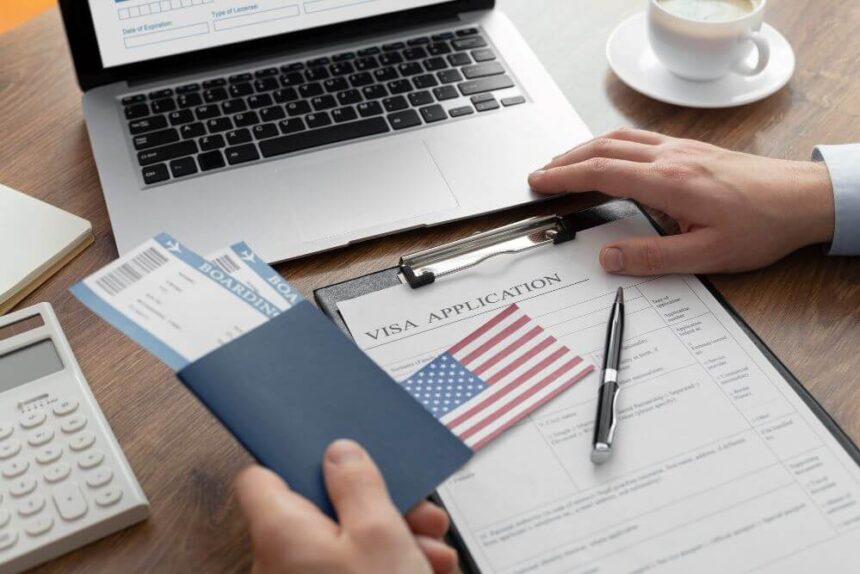
Each new year typically begins with federal, state and local immigration-related changes, such as updates to employment status and visas. Yet, 2026 marks a period in U.S. history when immigration and employment experts expect these changes to occur rapidly from day to day and sometimes hour to hour. The current administration has made frequent changes to the rules for people from other countries to work and live in the United States.
Travel Restrictions
U.S. Immigration and Customs Enforcement has increased its scrutiny of foreign workers and families from countries on the travel restrictions list.
Officials aren’t only checking applicants. They’re reviewing the status of current workers as well. At the time of this writing, employers are likely to experience long wait times for applications and reviews, additional worker vetting, confusing rule changes, delays in visa issuance, and even employee loss when trying to obtain and retain workers from nearly 40 countries, unless they can procure an exemption or waiver.
Agencies will consider a worker’s birth country, single or dual nationality status, recent travel history and even their history of temporary residence in other countries. Business owners can find updated information on the U.S. State Department’s “Suspension of Visa Issuance to Foreign Nationals to Protect the Security of the United States” and “Travel Advisories” pages.
In-Depth Vetting
Although H-1B and H-4 applicants were told in December by the State Department that they must reveal content on their social media and other online accounts, anyone inside the country or even planning to visit might have to deal with a demand for access. In some cases, they may be asked to provide five years or more of public and private information.
A new U.S. Citizenship and Immigration Services Vetting Center, also known as The Center or VC, has authority over all screenings to determine if a person is a “threat” to the safety of citizens and U.S. domestic and international interests.
How to Prevent Losses
Empoyers should review the different categories of employee visas, as each type of visa may have new regulations. Employers must take the time to review these areas of concern with current and potential foreign workers. Business owners and managers should also ask all employees to remain consistent on social media in ways that support the business rather than draw additional scrutiny.
To prevent loss of critical staff, businesses should delay employee travel plans, especially international ones. Even non-immigrant workers might experience visa suspension or other difficulties if any agency officials determine that they have shown signs of disapproval toward the U.S. online or visited a country that’s currently on a watch list.
Employers who can’t prevent travel should add extra time to travel schedules for delays. They should also make certain that employees have consistent documentation and training about how to provide calm, clear answers to common questions posed by officials.
Summary of Changes
Federal, state and local immigration officials and others are making it more difficult than ever for business owners to predict how hiring or continuing to employ foreign workers might adversely impact them. The heightened potential for detainment at the borders and even within states means that an employer might invest in a foreign worker only to lose access shortly before or after the employee arrives in the country. Employers might also face scenarios in which new hires refuse to travel because of sudden immigration changes, especially workers with only temporary authorizations.
For these reasons and others, business owners and hiring agencies can expect more risk overall. Given the number of changes, conflicting information and the speed at which the current administration changes rules, business owners should seek counsel from an immigration attorney who specializes in employment issues.
