



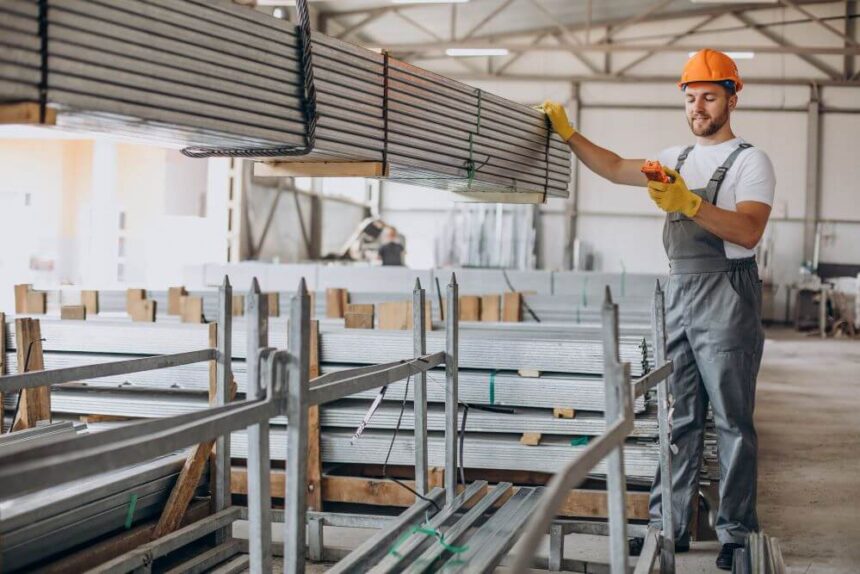
Steel warehouses are built to manage demanding tasks, from storing heavy loads to supporting large-scale distribution. Their performance depends on more than structural integrity alone. The right equipment inside ensures staff can work efficiently while keeping the environment safe and organized. Every choice, from handling machines to safety gear, plays a role in shaping daily productivity.
A Steel Warehouse performs best when essential systems and features are prioritized early on. Careful planning helps reduce risks, limit downtime, and support steady growth. Managers who focus on the fundamentals build a stronger foundation for long-term success, and this article explores the key equipment that makes such facilities reliable and efficient.
Heavy-Duty Material Handling Machines
Material handling defines the flow of operations inside a warehouse. Forklifts, pallet jacks, and reach trucks allow workers to lift, stack, and transport goods without delay. Without them, even basic tasks become time-consuming and risky.
Reliable handling machines also reduce workplace injuries. Facilities that invest in quality equipment and schedule regular maintenance avoid disruptions that slow progress. With these systems in place, productivity remains consistent throughout the workday.
Strong and Adaptable Storage Systems
Efficient storage is vital for organization and safety. Heavy-duty shelving and racking systems provide structure while keeping items accessible. Choosing designs strong enough to carry substantial weight prevents accidents and ensures stability.
Key storage options include:
- Pallet racks for bulk goods stored in stacks.
- Steel shelving for smaller, categorized components.
- Cantilever racks for long or irregular materials.
These solutions maximize floor space while keeping inventory easy to manage and secure.
Safety Gear and Emergency Essentials
Every warehouse should prioritize the safety of its workers. Heavy machinery, stacked goods, and constant movement all present hazards. Safety gear and emergency equipment reduce risks while providing quick responses during unexpected events.
Important items include:
- Fire extinguishers are positioned at clear points.
- First aid kits are maintained and stocked.
- Helmets, gloves, and protective eyewear for staff.
- Clearly lit exit routes with signage.
With these essentials in place, warehouses protect both staff and operations from serious setbacks.
Advanced Lighting and Climate Systems
Lighting and climate control have a direct effect on efficiency. Bright LED fixtures ensure visibility, reduce shadows, and cut energy costs. When handling steel, clear lighting prevents mistakes and supports accuracy in tasks.
Climate systems also play a key role. Proper ventilation lowers humidity, while heating units maintain comfort in colder seasons. Together, these upgrades keep both workers and materials safe from environmental extremes.
Choosing the Right Partner for Long-Term Support
Constructing a warehouse involves far more than placing walls and a roof. A skilled partner can shape the structure to match specific operational needs. Well-planned designs improve workflow and make room for future growth.
A thoughtful layout supports efficiency before equipment is added. Structural specialists also provide adaptability as requirements shift over time. Choosing trusted building support ensures every investment delivers strength, flexibility, and long-term value.
A successful warehouse relies on more than machinery; it depends on careful planning, smart storage, and safe design. From handling equipment to climate systems, each element creates a stable and efficient environment. A Steel Warehouse equipped with the right essentials and supported by a well-designed structure can serve businesses reliably for years. Managers who invest early in both equipment and structural solutions set the stage for smoother operations and long-term dependability.
