



Expanding operations quickly and affordably is one of the biggest challenges growing businesses face today, especially when traditional construction comes with long timelines, high material costs, and complex building requirements. This is where fabric buildings, also known as tension fabric buildings, offer a strategic advantage.
Built with durable steel frames and a high-performance fabric membrane, these structures provide fast installation, flexible design, and significant cost savings. As companies across various industrial applications seek efficient ways to scale, fabric buildings stand out as a practical, high-value solution that delivers speed, versatility, and a strong return on investment.
The Cost-Effectiveness Advantage
One of the biggest reasons businesses turn to fabric structures is their significantly lower upfront cost compared to traditional warehouse construction. Conventional buildings often require extensive materials, complex labor, and long lead times, all of which drive up the warehouse construction cost. In contrast, a commercial fabric building benefits from reduced material costs, faster fabrication, and efficient production because it is modular in design. Their steel frame and fabric membrane systems are engineered for strength without the heavy structural demands of rigid construction, making initial building costs far more affordable.
Another significant advantage is the speed of deployment. While traditional construction can take months or even longer, many tension fabric buildings can be installed in a matter of weeks. Their streamlined building components, simplified engineering, and availability of turnkey designs make the entire process faster and more predictable. This accelerated installation timeframe helps businesses increase capacity or launch new operations without costly delays.
Fabric buildings also offer highly flexible foundation options, which further reduce overall project costs. Depending on the application, they can be installed on concrete, compacted ground, recycled asphalt floors, or even mounted on shipping containers for added height or mobility. With minimal foundation requirements and adaptable site conditions, fabric structures deliver both affordability and efficiency from day one.
Core Design and Structural Benefits
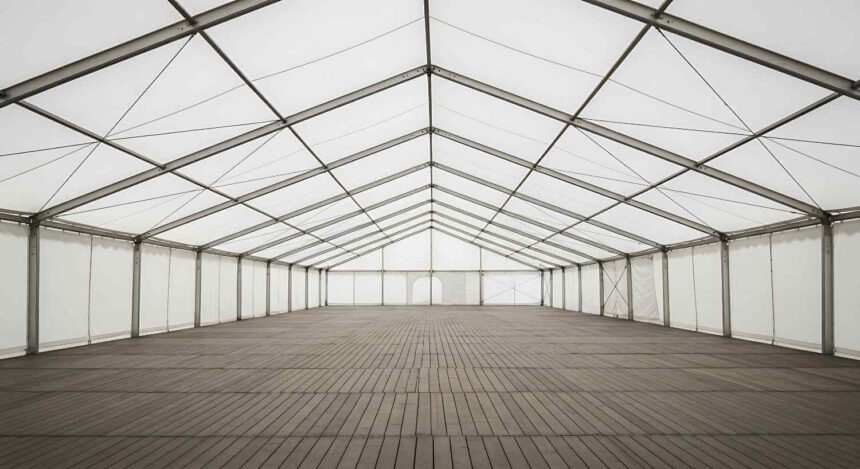
Fabric buildings are engineered to deliver exceptional interior space and unmatched flexibility. Their clear span design, supported by robust steel frames such as open web truss or I-beam frame systems, eliminates the need for interior columns. This unobstructed layout is ideal for equipment storage buildings, loading/unloading areas, and other operations requiring vast, open floor space. With a broad range of clearspan sizes available, businesses can choose a structure that fits both current needs and future growth.
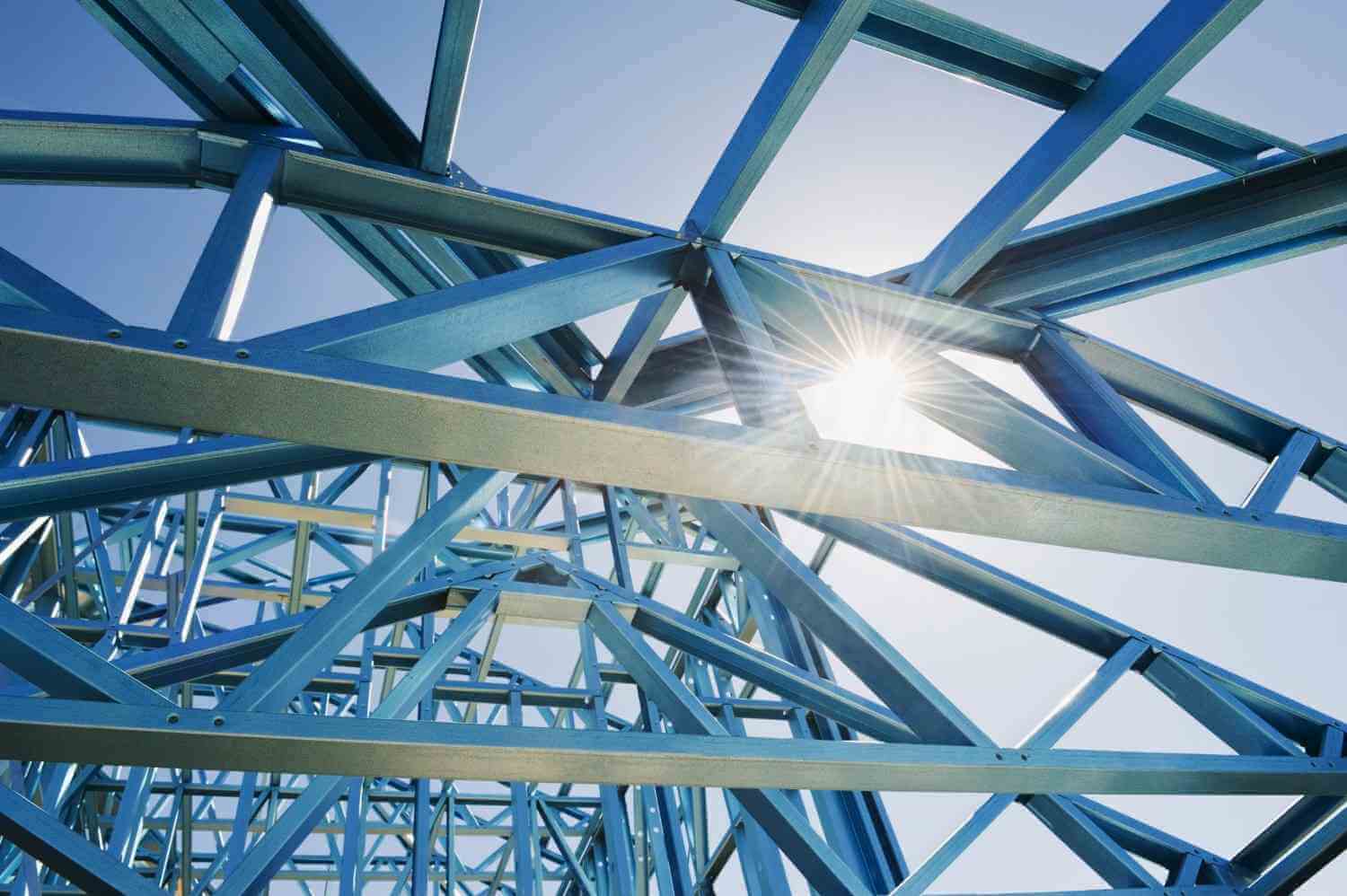
Durability is another defining advantage. Modern engineered fabric structures are built to meet stringent building codes, including requirements for wind & snow Load, making them suitable for heavy duty industrial environments. Many manufacturers rely on independent third-party professional engineers to provide comprehensive engineering packages that ensure safety, compliance, and long-term performance. Materials such as galvanized carbon steel frames and high-strength HDPE membrane (high-density polyethylene membrane) or PVC polyethylene fabric covers (PVC stands for polyvinyl chloride) deliver resilience against harsh weather, corrosion, and continuous use.
These structures also excel in adaptability. Designed for permanent or temporary uses, fabric buildings can be relocated, expanded, or disassembled with ease: an advantage for companies managing temporary storage applications or evolving operational needs. Their versatility makes them suitable for a wide range of functions, including grain storage, salt storage, vehicle maintenance buildings, and even large-scale applications like an aircraft hangar.
Long-Term and Operational Savings
Beyond the initial savings, fabric buildings deliver ongoing operational efficiencies that benefit businesses over the long haul. A significant plus is energy efficiency: many tension fabric structures use a translucent fabric membrane that allows natural lighting to flood the interior during daytime. This reduces reliance on artificial lighting, significantly lowering energy use and cutting long-term operating costs.
Maintenance demands are also modest compared with conventional buildings. The materials used in these tension fabric structures, such as corrosion-resistant steel frames and durable membrane covers, resist rust, wear, and degradation. This longevity, often backed by multi-year warranties, helps ensure that upkeep costs remain low over the building’s life cycle.
Moreover, the working environment inside fabric buildings tends to be healthier and more productive. The combination of ample natural light and the inherent acoustic properties of a fabric-covered space can enhance occupant health and comfort, improving morale and efficiency. For applications such as an indoor riding arena or large multipurpose venues, these factors contribute meaningfully to the return on investment. Businesses not only save money but also create a better environment for workers, equipment, and operations.
Conclusion
Fabric buildings offer a compelling combination of speed, affordability, and long-term performance, making them a standout choice for growing organizations. Their rapid installation, lower initial building cost, and reduced foundation requirements help companies expand quickly, while ongoing benefits, such as natural lighting, lower energy use, and minimal maintenance, deliver meaningful operational savings. Add in the adaptability of tension fabric structures, with their ability to relocate, scale, or serve multiple industrial applications, and the value becomes even clearer.
For businesses seeking an innovative, fiscally responsible way to increase capacity, choosing a tensioned fabric membrane solution is a forward-thinking strategy. It ensures companies can respond swiftly to changing market demands without the financial burden or delays associated with traditional construction.
Ultimately, fabric-covered buildings represent the modern, agile answer to business expansion needs across the United States and around the world. Their durability, versatility, and cost-effectiveness position them as a strategic investment for organizations ready to grow with confidence.
