



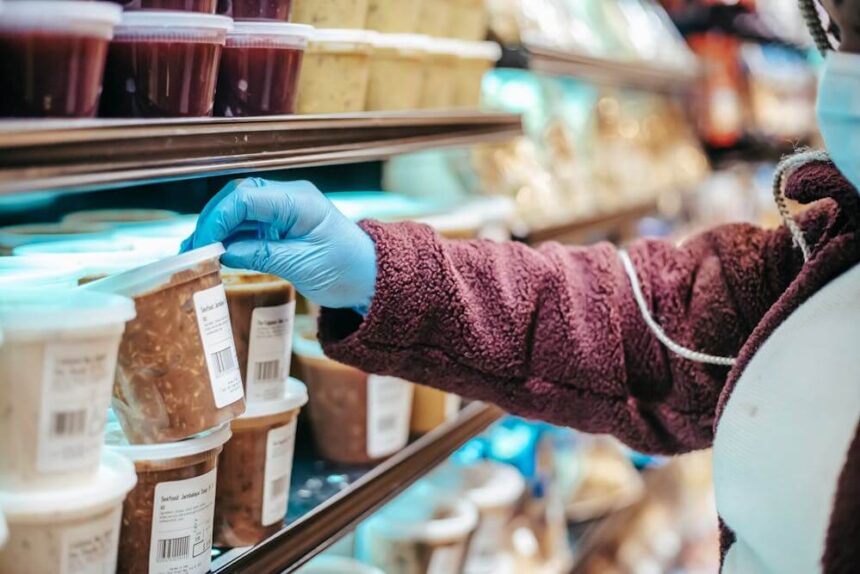
Starting a frozen food business in a country like the United States can open the door to real growth. Demand for frozen meals, snacks, and ready-to-cook products continues to rise as people look for convenience without losing quality. The country also offers a large distribution network that helps new brands reach stores, restaurants, or direct-to-consumer buyers. Still, the industry comes with high standards. Customers expect safe products, and regulators enforce strict rules. To stay ahead, founders must follow key steps that protect their brand and product quality as well as their long-term goals.
This article breaks down those steps and guides you toward a frozen food venture that grows without hiccups.
Know Your Market Before You Launch
You need a deep understanding of your market before you develop products or plan distribution. Learn what customers buy and why they choose certain frozen foods. Look at trends in your region and notice which categories grow faster than others. Some areas show strong demand for healthy meals, while others rely on comfort foods or cultural flavors. Study your competitors and see where they fall short. You may discover gaps in pricing, flavors, or portion sizes. When you know what buyers want, you can create products that fill a real need.
Use the Right Packaging to Meet Safety Laws
Packaging plays a direct role in food safety, shelf life, and customer trust. America enforces strict laws for frozen food products, and you need packaging that keeps your items safe from the moment you freeze them to the moment a customer opens them. Good packaging protects texture, flavor, and color. It helps control moisture and prevents issues that can arise during transport or storage. Initially, you can work directly with a provider like America’s Preferred Packaging since they offer solutions designed for frozen goods. They understand how frozen food behaves under different temperatures, and they guide businesses toward materials that support safe handling. When your packaging holds up during storage and delivery, you protect the quality of your product and meet required standards.
Develop Recipes That Hold Up in Frozen Form
Not every recipe performs well once frozen. Some ingredients lose texture or flavor. You need to test your recipes under real conditions and make adjustments until you get consistent results. Freeze your samples, thaw them, and cook them the way your customers will. Notice any changes and refine the formula. Keep detailed notes so you can track improvements. When your recipe holds up in frozen form, you deliver a product that customers enjoy every time. This step builds trust and encourages repeat purchases.
Follow All FDA and USDA Rules
Food safety laws in the United States shape every part of your operation. You need correct labels that list ingredients, allergens, and nutrition details. You must keep clean records for sourcing, storage, and production. You also need training programs, so your team understands each rule. These steps protect your business from risk and show retailers that you take safety seriously. When you follow the law with care, you avoid delays and build a stronger brand foundation.
Create a Brand Story That Stands Out
A strong brand story helps customers connect with your frozen food line on a deeper level. People want to know who makes their food and why the brand exists. When you explain your purpose and the care you put into each product, you create trust. Your packaging, website, and social channels should reflect the same message so customers see a clear identity at every touchpoint. A good brand story also helps buyers remember you in a crowded market. Many frozen food shelves look similar, so a distinct message gives your products an edge. When your brand feels honest and consistent, retailers and customers both respond with more interest.
Work With Retail Partners Who Support Growth
Retail partnerships shape the future of your frozen food business. You need partners who value quality and reliable supply. They should understand your target customers and give your products the right placement. You also need to offer clear communication and consistent deliveries. When you work well with your retail partners, you build long-term relationships that support expansion. Samples, demos, and promotional offers help buyers get familiar with your products. These small steps can move your items from a test run to a regular listing. Choose partners who share your goals and treat your brand with care.
Use Digital Marketing to Reach New Customers
Digital marketing gives frozen food brands a direct way to reach customers at home, at work, or on the go. Clear images, recipe ideas, and short videos help people understand how your products fit into their daily lives. You can use social media to highlight new items, limited batches, or behind-the-scenes content. Paid ads allow you to target customers who have an interest in quick meals or healthier frozen options. Your website should list ingredients, cooking methods, and store locations so buyers find answers fast. When you stay active online, you guide customers from curiosity to purchase.
Watch Your Costs and Improve Your Production Process
Frozen food companies face many operational costs, and you need to track them with care. Ingredient prices change often. Packaging and labor also shift as your business grows. When you monitor each cost, you prevent surprises and protect your margins. Small process improvements can reduce waste and improve efficiency. This may include better equipment, improved freezer management, or faster production routines. When you stay aware of your numbers, you make smarter decisions about scaling, pricing, and product changes. These habits build long-term stability.
Plan for Growth and New Product Opportunities
Growth takes planning and patience. You need to track customer feedback and review sales data. These insights help you decide when to launch new flavors or expand into another region. Some products perform well in certain areas while others need adjustments. By studying real results, you avoid risky choices and build your brand in a steady way. New product ideas should come from customer needs, not guesses.
Success in the frozen food industry comes from momentum and discipline. Each choice you make, whether it involves branding, partnerships, marketing, or expansion, shapes how customers view your business. When you take deliberate steps and stay open to improvement, you build a company that grows with strength and clarity. Let each phase guide the next one and allow your vision to evolve as you learn from your market.
